1. Talk and set goals
The team starts with the resident, or the caller if the resident is not available. Goals, worries and deadlines shape the whole plan.
Falling Waters, WV · Berkeley County
Where does a hoarder house cleaning begin? In Falling Waters, it begins with listening. Call (877) 812-4220 and the team will talk about goals, safety hazards, sorting, hauling and a plan that fits the resident.
If anyone is in danger, call 911 first. For a suicide crisis, call or text 988.
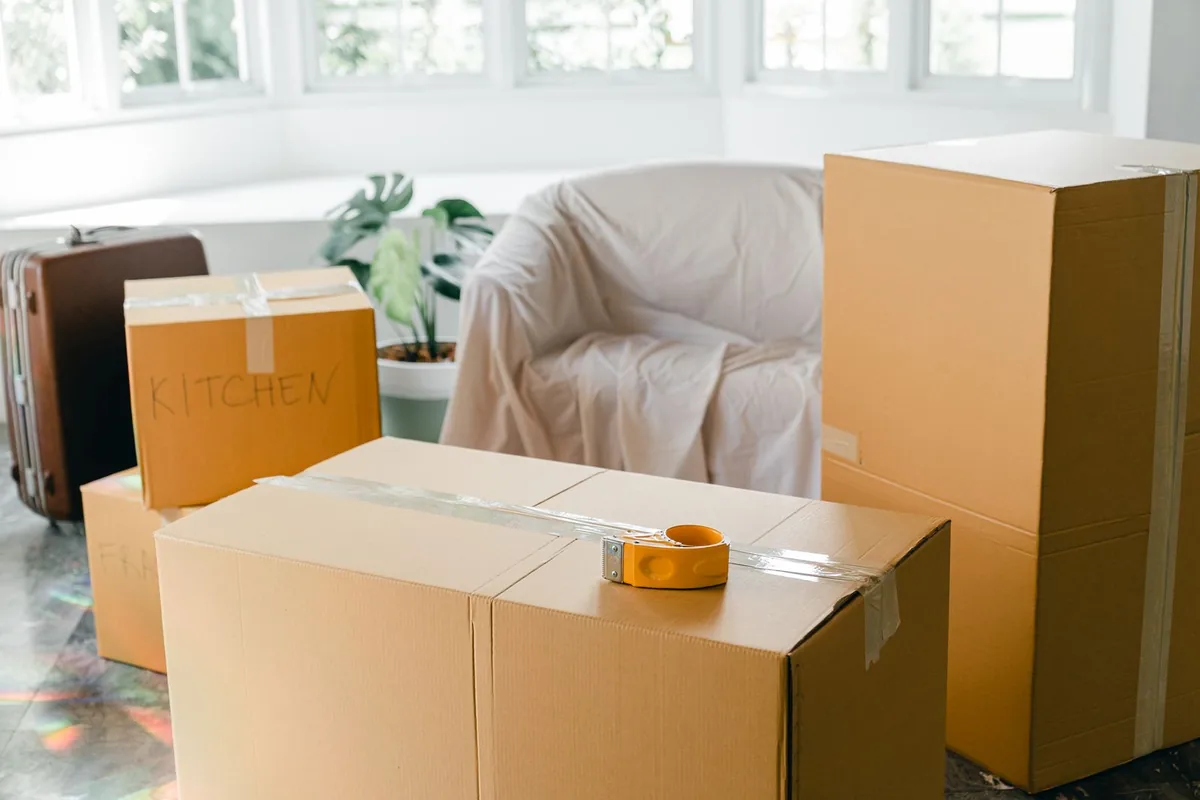
Cleaning a hoarder's home covers more than moving boxes. It includes protecting documents and keepsakes, removing contaminated materials, disinfecting with EPA-registered products and planning for repairs afterward.
In Falling Waters, you can get a cleanup that sorts, hauls and cleans without judgment. Families in Berkeley County call about parents, siblings and their own homes, and the resident keeps a say over every item. Call Falling Waters Biohazard Cleanup Help.
Only about 28% of homes in Berkeley County predate 1980, yet newer houses can still hold crowded rooms, blocked exits and pest problems. Only about 12% of people in Falling Waters are sixty-five or older, but hoarding affects households of every age, and cleanup works the same way.
What hoarding cleanup covers:
The team starts with the resident, or the caller if the resident is not available. Goals, worries and deadlines shape the whole plan.
A team member checks exits, stairs, utilities, pests and hazards. Findings are shared in plain words, without labels.
Crews sort, bag and haul in a set order. The pace follows what the resident can handle.
A final look confirms that exits are open and key rooms are usable. Notes about repairs or pest control are passed to the owner.
Expect hoarding cleanup in Falling Waters, WV to cost roughly $500 to $25,000, with the final price set after an on-site assessment.
Deep cleaning, disinfecting and odor treatment add labor beyond sorting and removal. Kitchens and bathrooms usually take the longest to bring back to a clean state.
| Type of job | Typical range |
|---|---|
| Level 1, light | $500 - $1,500 |
| Level 4 | $5,000 - $15,000 |
| Level 5, severe | $10,000 - $25,000+ |
| Level 2 | $1,000 - $3,000 |
Figures are planning ranges from Dropcurb, Lifecycle Transitions, not a price for any specific Falling Waters property. Price drivers include level of accumulation, home size, whether exits and rooms are blocked, pests or animal waste. Call (877) 812-4220 any hour.
Avoid calling their belongings trash, saying the home is disgusting or telling them to just throw things out. Never move items without asking. Ask what matters most to them, listen, and offer to help at their pace.
Start with safety, then sort, remove and clean in that order. Exits and fire hazards come first, then spoiled food and unsafe items, then deep cleaning of kitchens and bathrooms. The resident decides what stays, and a cleanup team can handle the heavy parts.
Usually not for the buildup itself, since many policies exclude long-term conditions. A policy may help with a specific event such as a fire, a leak or a sewage backup. Read the policy, call the insurer before work starts, take photos and keep receipts.
A lightly crowded room may take a day, while a whole home with heavy buildup can take several days to a few weeks. The resident's pace, pests, mold and repairs all change the timeline. The team can estimate after seeing the home.
Yes. A regular cleaning assumes surfaces are reachable and the items stay. Hoarding cleanup includes sorting, hauling, hazard checks, protective gear and disposal, and then a deeper clean of kitchens, bathrooms and floors.
Offer help without pressure, ask what they want to keep and agree on one small area to start. Do not remove items they have not released. A cleanup team can take over the heavy lifting, disposal and sanitizing while you offer support.
No pressure and no judgment, just a clear conversation about the next step.
Call (877) 812-4220