1. Survey the space
The crew checks the whole property, including closets, vehicles, sheds and bathrooms where items may be tucked away.
Falling Waters, WV · Berkeley County
Unknown powder, syringes and stained carpet in a Falling Waters home all call for the same step. Stay out, keep others away and call (877) 812-4220 for removal, cleaning and disposal.
If anyone is in danger, call 911 first. For a suicide crisis, call or text 988.
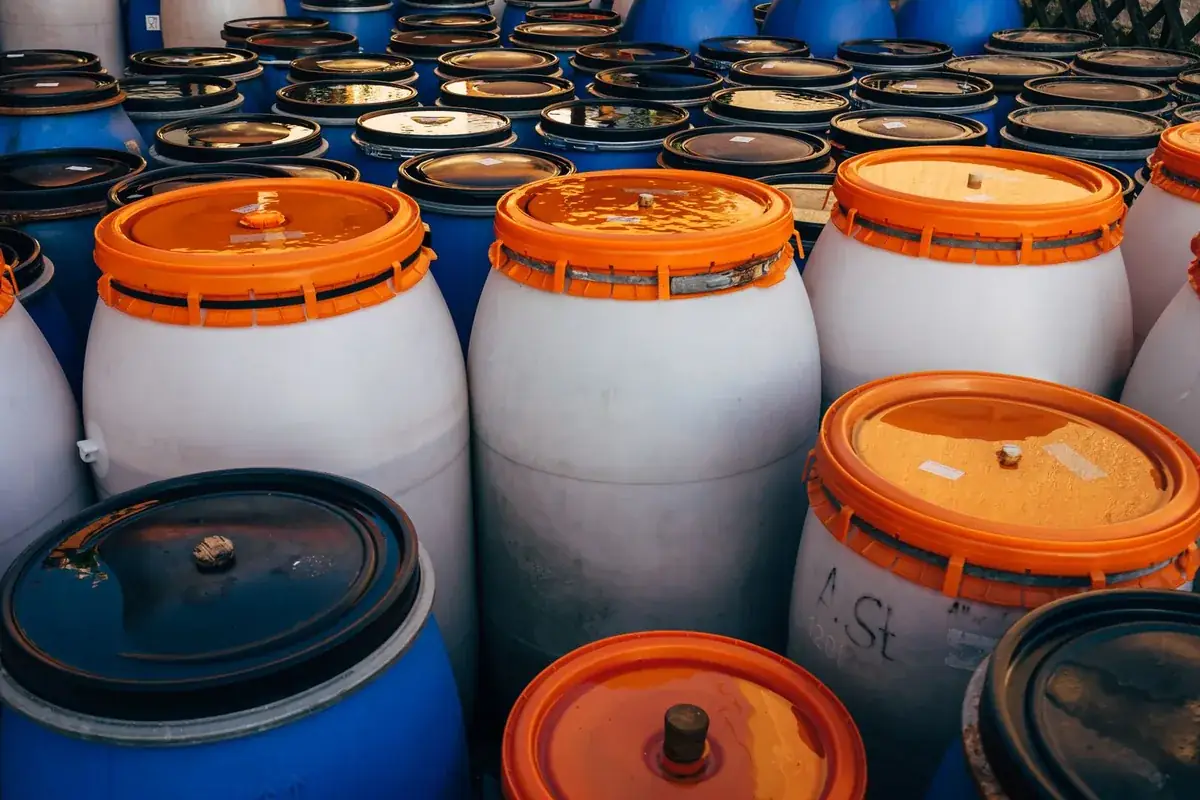
Drug residue cleanup removes powders, stains and films left on floors, furniture and fabrics after drug use. Because residue is often invisible and hard to identify, crews treat it as hazardous.
If you run a hotel, motel or small business in Falling Waters, you can get focused cleanup of rooms and restrooms where drug items were left behind. Call Falling Waters Biohazard Cleanup Help. Crews work quickly and discreetly across Berkeley County.
The vacancy rate in Berkeley County is only about 5%, so most paraphernalia calls come from occupied homes, rentals and businesses. After a needle stick or exposure to an unknown substance, get medical care. Berkeley Medical Center in Martinsburg is the closest emergency room to Falling Waters.
A typical drug paraphernalia cleanup job includes:
The crew checks the whole property, including closets, vehicles, sheds and bathrooms where items may be tucked away.
Crews put on gloves, eye protection and respirators when needed, then search every room for sharps and other items.
Hospital-grade disinfectants go on hard surfaces. Odor treatment follows for lingering smells.
Waste leaves the property, and the owner can ask for a summary of what was removed and cleaned.
The cost of drug paraphernalia cleanup in Falling Waters, WV depends on the amount of material, how it is packed and how it is hauled.
Timing can affect the plan. A same-day need before a new tenant arrives may be scheduled differently from a job booked ahead.
| Type of job | Typical range |
|---|
Published ranges only (); every drug paraphernalia cleanup job in Falling Waters is priced after an on-site look. Price drivers include amount of material, whether residue is present, surfaces affected, waste disposal. Questions? Call (877) 812-4220.
Call 911 right away. Cleanup can wait. After the emergency is over and the space is released, a cleanup team can handle the items and residue left behind.
Loose syringes should never go in household trash, because they can stab sanitation workers. Other items may carry residue. A cleanup team seals and disposes of everything the safe way.
Keep them out of affected rooms until a cleanup team has finished. Children and pets are closest to floors and furniture and are most at risk from residue. If a child or pet touches or swallows something, call Poison Control or a veterinarian.
Crews wear protective gear, remove sharps and loose items, and then clean hard surfaces with EPA-registered disinfectants. Porous materials such as carpet, padding or upholstery that took in residue may be removed. The team can explain what applies to your space.
No. This page explains how drug paraphernalia cleanup works. It is not medical, legal or insurance advice. For symptoms, contact a doctor or Poison Control, and for legal questions, ask an attorney.
Do not touch, sweep or smell it, and do not try to clean it up first. Keep children and pets away. If anyone touched or swallowed it, call Poison Control, or 911 in an emergency. Then call a cleanup team to remove it safely.
Describe what you found and ask how removal and cleaning would work.
Call (877) 812-4220